01
Food Waste Reduction
Clear guidance for preventing avoidable food loss at home, in communities, and across local systems.
FoodUpcycle.org is a professional knowledge platform by Dr. Chamila Jeewanee Fernando, sharing research-based insights, practical ideas, and global updates on food waste reduction, food upcycling, composting, circular food systems, and sustainable communities.
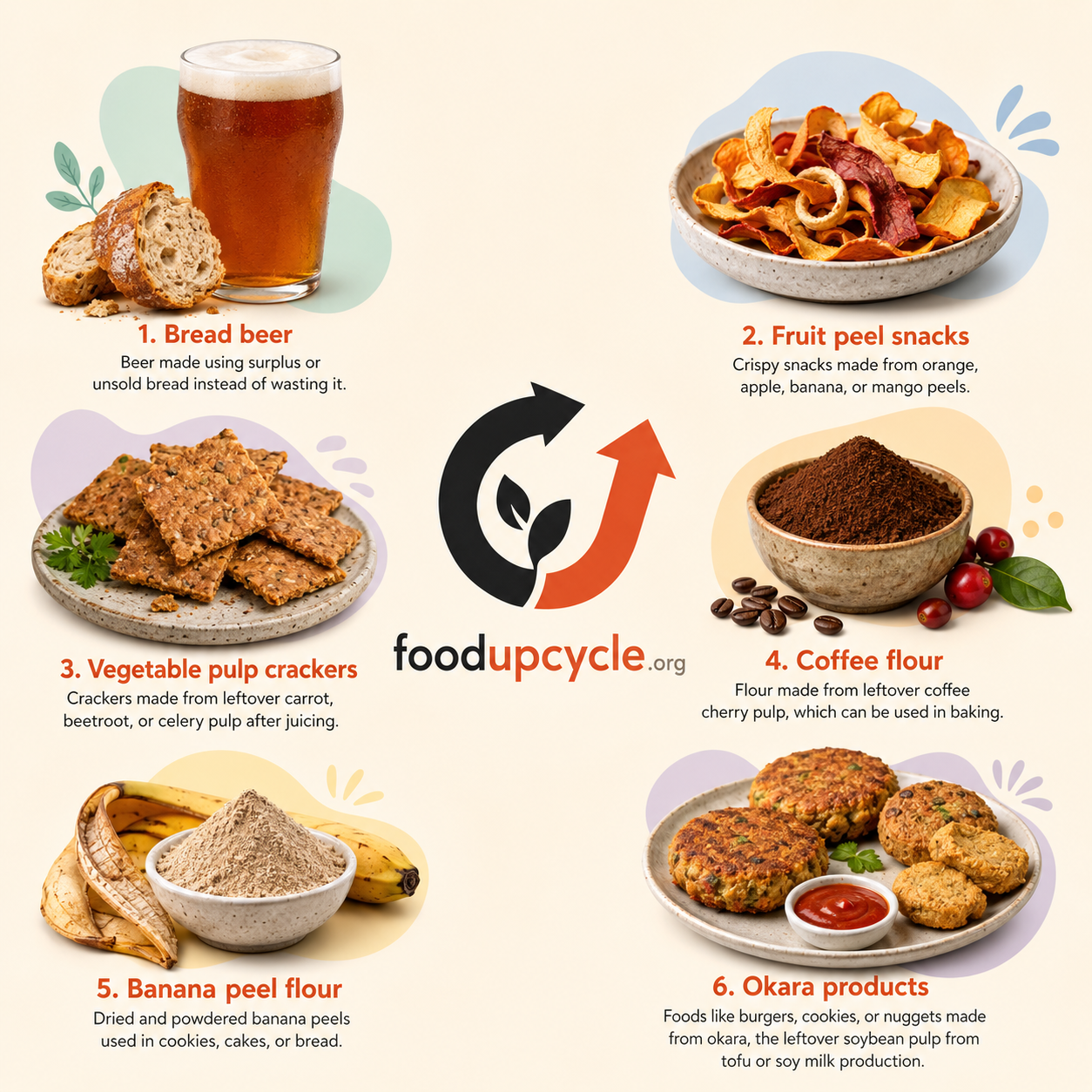
FoodUpcycle.org helps communities understand how food waste can be reduced, reused, upcycled, composted, and transformed into social, environmental, and economic value.
It is designed for students, households, researchers, local governments, entrepreneurs, and community groups who want practical, trustworthy knowledge about circular food systems.
Six connected themes guide the platform, from household action to research communication and policy insight.
Clear guidance for preventing avoidable food loss at home, in communities, and across local systems.
Ideas for transforming surplus food and by-products into useful products and future enterprises.
Practical knowledge on returning biodegradable waste to soil health and sustainable agriculture.
Systems thinking for keeping food resources in use and reducing environmental burden.
Accessible explanations of policy pathways, local governance, SDG 12, and climate action.
Simple learning materials and insights for schools, families, local groups, and public audiences.
Food waste affects resources, greenhouse gas emissions, household budgets, and sustainable development goals.
Read MoreA beginner-friendly explanation of how food by-products and surplus ingredients can become new value.
Learn MoreSimple habits for planning meals, storing food well, composting, and reducing avoidable leftovers.
Read MoreThe platform reflects Dr. Jeewanee's background in Food Science and Technology, Public Policy, Regional Development, Municipal Solid Waste Management, composting, organic agriculture, circular economy, and climate mitigation.
Food waste is not only an environmental problem. It is also an opportunity for innovation, community action, and sustainable development.
Keep biodegradable waste separate so it can be composted or treated more effectively.
Meal planning helps households buy what they need and reduce avoidable leftovers.
Better storage habits can protect food quality, safety, and shelf life.
Composting can turn kitchen scraps into soil value for gardens and farms.
Consumer acceptance helps food by-products become part of circular business models.
Small changes in serving, saving, and reusing food can prevent waste every week.